VALOR-KAT: Veteran Aftercare and Long-term Outcomes in Remission – Ketamine-Assisted Therapy
Ketamine-assisted therapy (KAT) has emerged as a promising treatment for people living with treatment-resistant depression, post-traumatic stress disorder, and other complex mental health conditions. While some patients from clinical trials and observational studies have experienced rapid symptom relief, these effects are often transient, and without adequate post-treatment care, relapse is common within weeks. Given the chronic nature of mental health disorders, durable maintenance protocols are needed to prolong remission and improve quality of life. Currently there are no standardized guidelines on post-ketamine care; practice varies widely across repeated infusions, oral or intranasal ketamine, adjunctive psychotherapy, lifestyle interventions, and pharmacologic augmentation
VALOR-KAT is a qualitative research study designed to better understand remission and long-term maintenance following KAT. Through in-depth interviews with veterans who have completed KAT programs years ago and more recently, we will explore what supports sustained wellness, what challenges arise after treatment, and what ongoing care strategies are most helpful in this particular population.
This study aims to identify patterns in long-term recovery. Findings will directly inform practical, evidence-based guidance for patients, clinicians, and policymakers, helping to shape more effective and equitable post-ketamine care pathways across Canada.
This project is co-funded in partnership with Atlas Institute for Veterans and Families.
The Co-Principal Investigators:
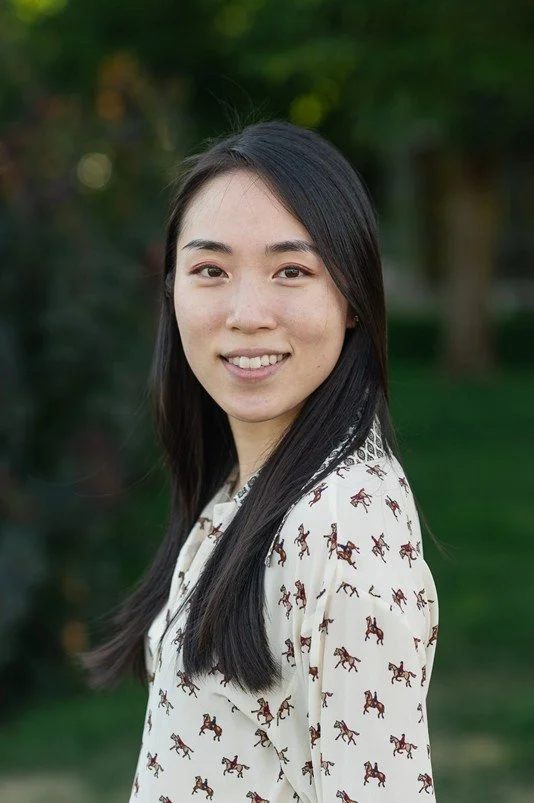
Vivian W. L. Tsang
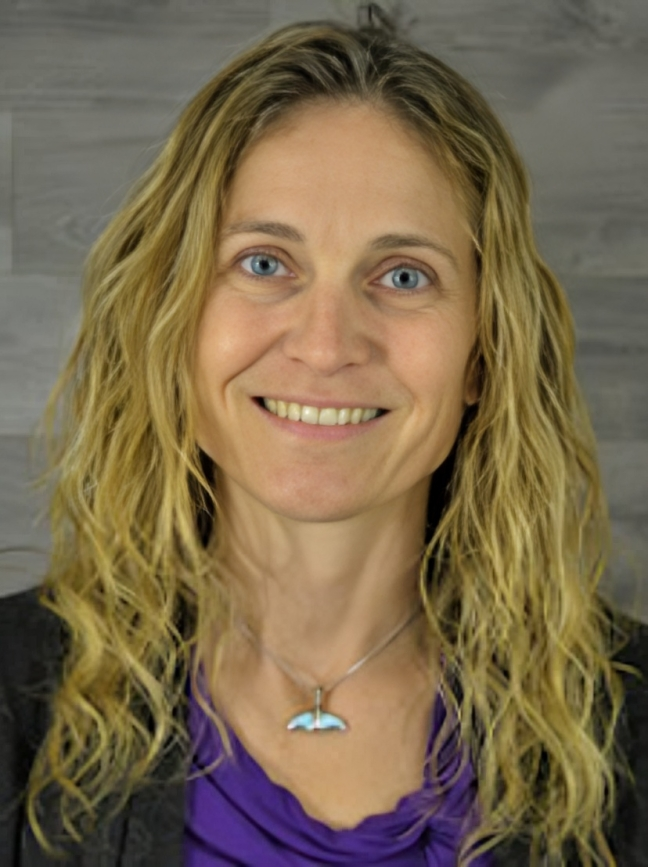
Pamela Kryskow

Dr. Vivian W. L. Tsang obtained her MD from UBC, MPH from Harvard, and is currently completing her DPhil from Oxford University as a Clarendon Scholar. She is specializing in the field of psychiatry at UBC with an additional addiction medicine fellowship through the BC Centre on Substance Use. Her research work spans the fields of concurrent disorders and novel pharmacotherapies with over 50 peer reviewed publications. She is the Research Lead at Roots to Thrive, a non-profit psychedelic-assisted therapy clinic in Nanaimo, BC. This clinic was the first to provide psilocybin to patients in BC under the Special Access Program. She is also one of the founding members and a Director of the new Naut sa Mawt Psychedelic Centre on Vancouver Island.
Dr. Pamela Kryskow is a medical doctor and the Medical Lead of the non-profit Roots to Thrive Psychedelic Assisted Therapy Programs that treats health care providers and first responders with PTSD, depression, anxiety, substance use challenges, eating disorders and people with end of life distress. She is a founding board member of the Psychedelic Association of Canada and the Medical Chair of the Vancouver Island University Post Graduate Certificate in Psychedelic Medicine assisted Therapy. She is an Assistant Clinical Professor at UBC Department of Family Medicine and Adjunct Professor at VIU and the Medical Chair of the Psychedelic-Assisted Therapy Post Graduate Program. Dr. Kryskow is actively involved in research related to psilocybin, MDMA, ketamine, front line health care workers and first responders mental wellness.