Mobilizing the health benefits of being in nature through community- based participatory research and Indigenous engagement
Sarah Prosper


Impact
This project highlighted the impact and relevance of photovoice and nature-based programming for Indigenous youth in Nova Scotia. Such participatory and culturally grounded research approaches support mental health awareness, self-expression, and overall well-being through open conversations with youth about their mental health.
Through this project, participating high school students from ABMHS (Alison Bernard Memorial High School) benefited from:
Increased awareness about mental health.
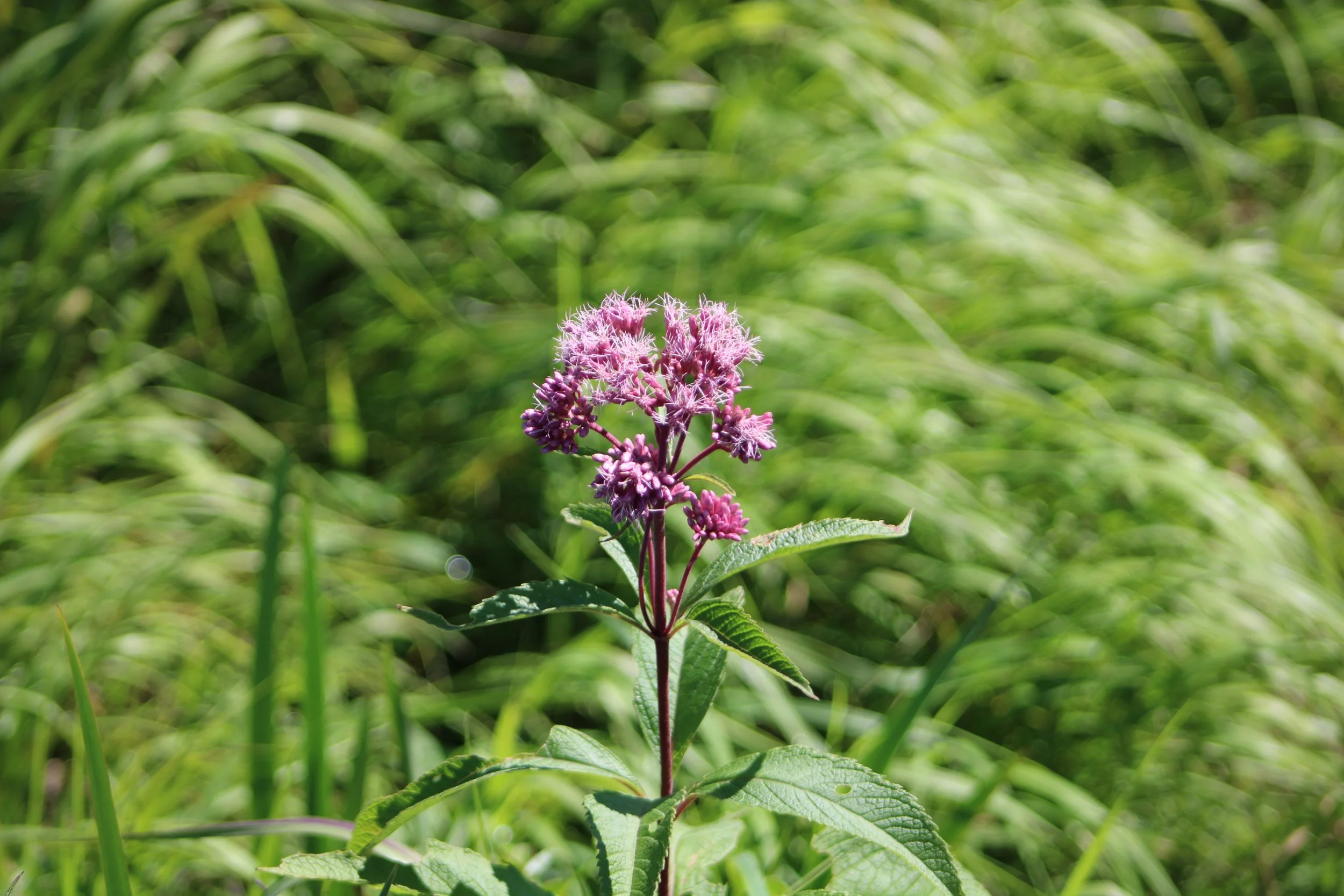
Improved connection with nature, which helped youth better understand the impact of nature and wellness.
Improved confidence to self-express their thoughts, emotions, feelings and overall mental health.
Increased work, activity and nature play in the outdoor environment, which helped improve immediate mental health.
Development of nature-photography skills.
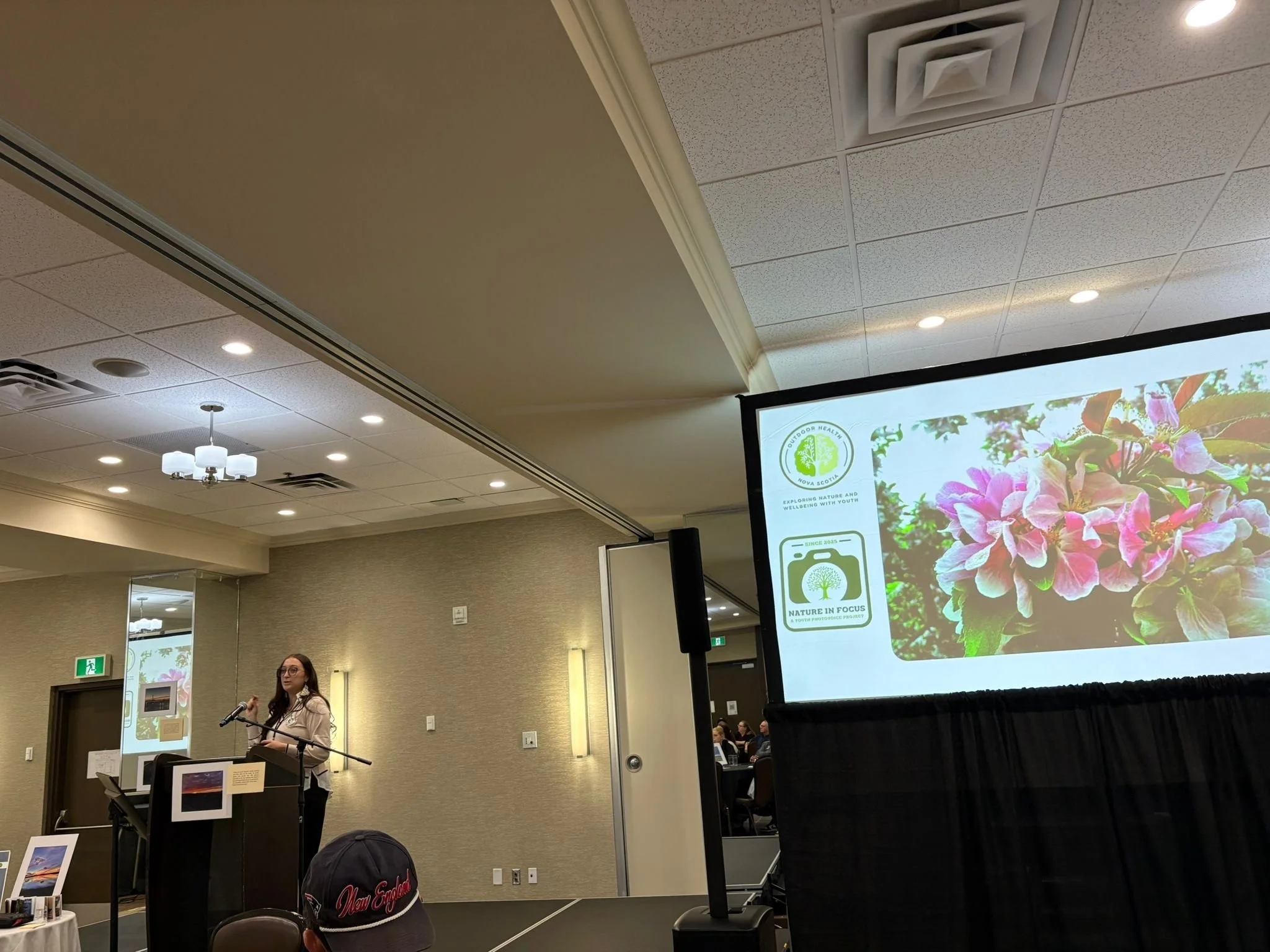
This project benefited me to personally feel equipped and confident in my planned research. I was able to obtain good position in my research and felt equipped to strive for the completion of the research phase.
— Sarah Prosper
-
Nova Scotia
-
Studentship
-
Dalhousie University
-
ABMHS - Allison Bernard Memorial High School
-
Research NS
-
2025-2026
-
Indigenous Mental Health
-
Indigenous Communities, Youth (aged 13-24)
About the Project
Spending time in natural environments and nature-based programming is associated with significant health benefits, which is particularly important for Indigenous youth, whose mental health and well-being continue to be a priority for healthcare in Nova Scotia (NS). There is a need for further research that includes youth perspectives and identifies their experiences, needs, barriers, and enablers for sustained participation. This study engaged a group of Indigenous youth from the Eskasoni Mi’kmaq First Nation in a photovoice project to better understand how nature and play can support conversations about mental health within communities, learn further about youth experiences on nature and nature-based programming, and the disparities that exist in access and provision. This project was part of a larger study, Outdoor Health, exploring youth experiences and access to nature in NS.
Methodology
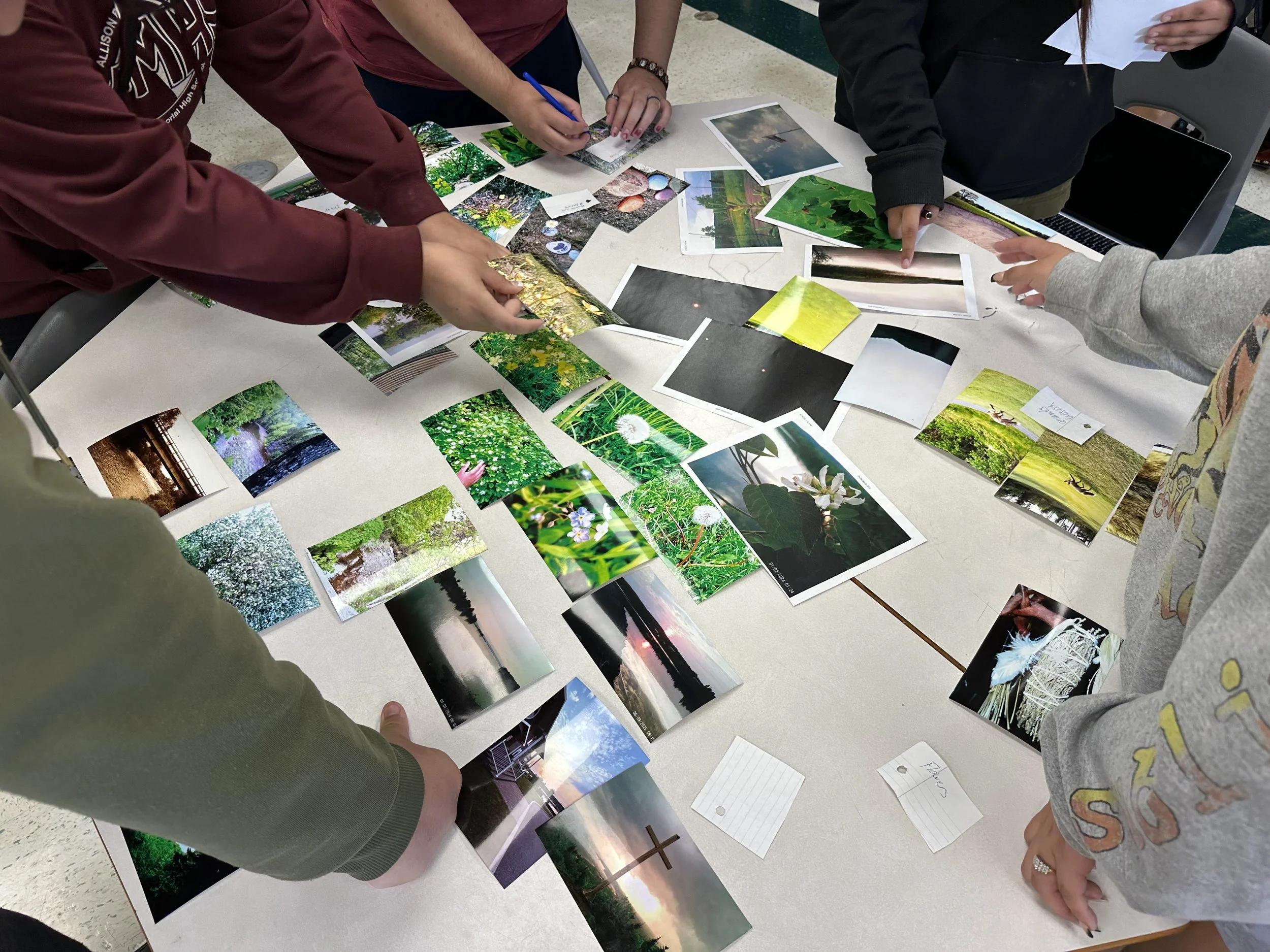
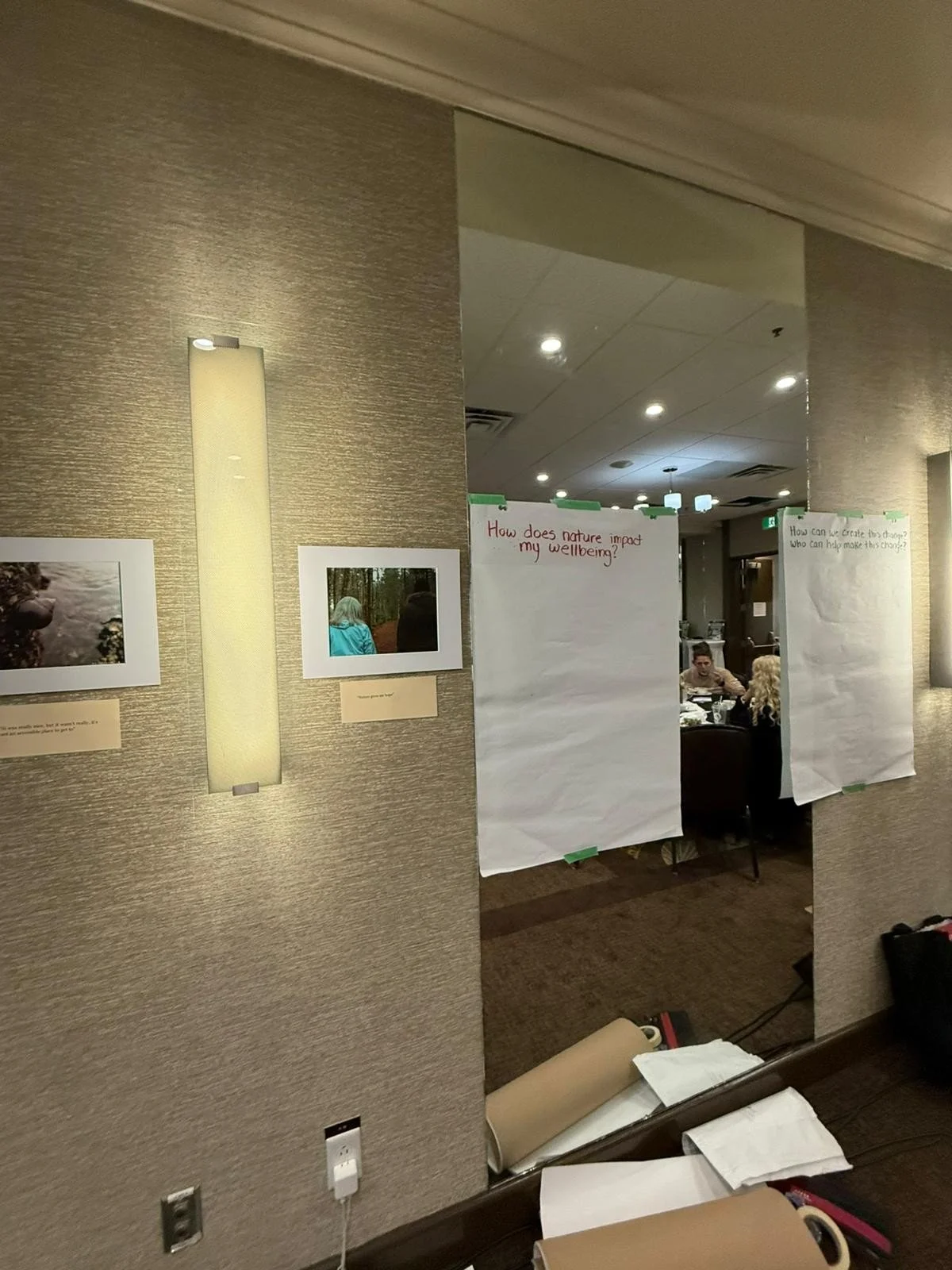
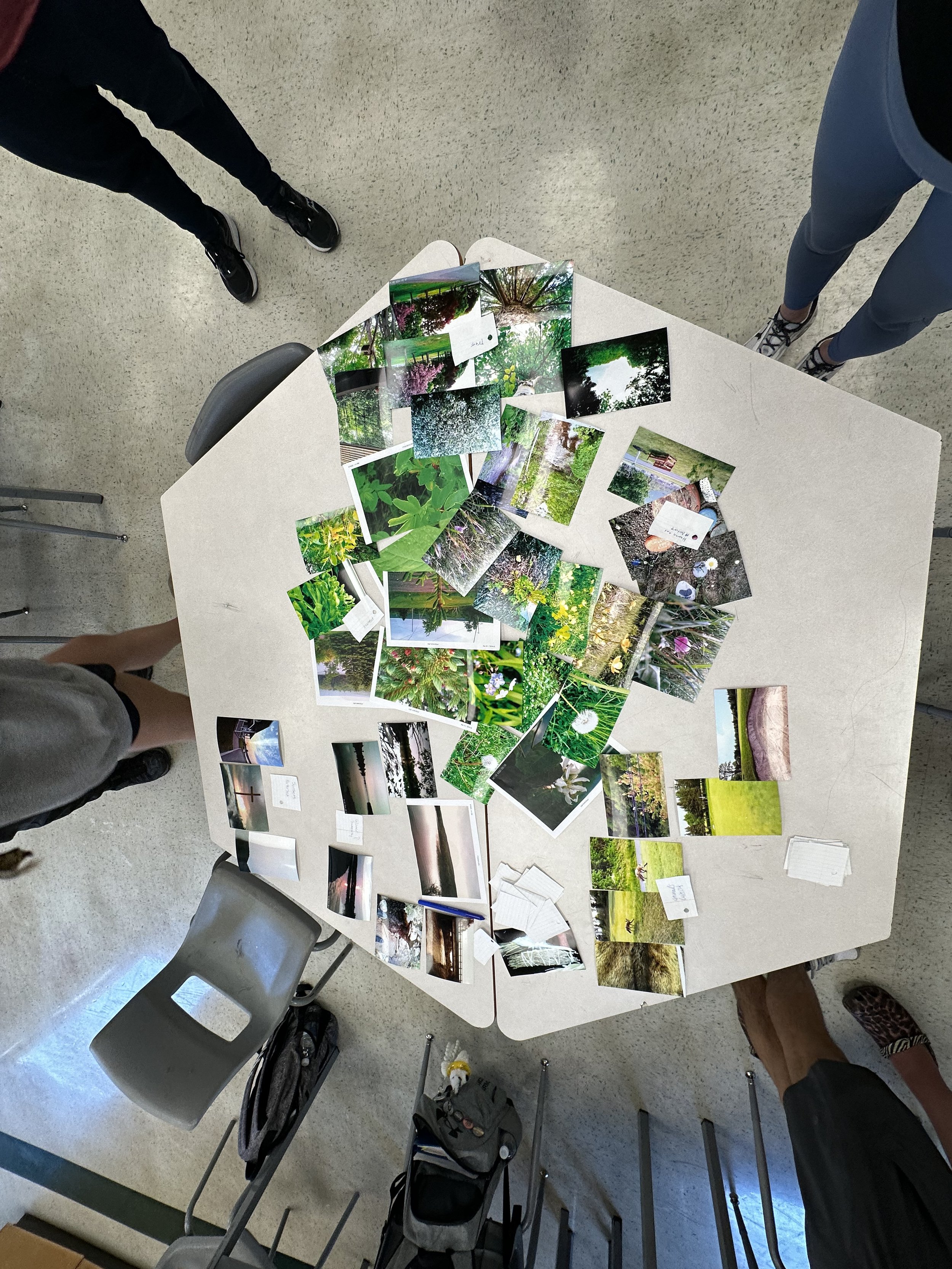
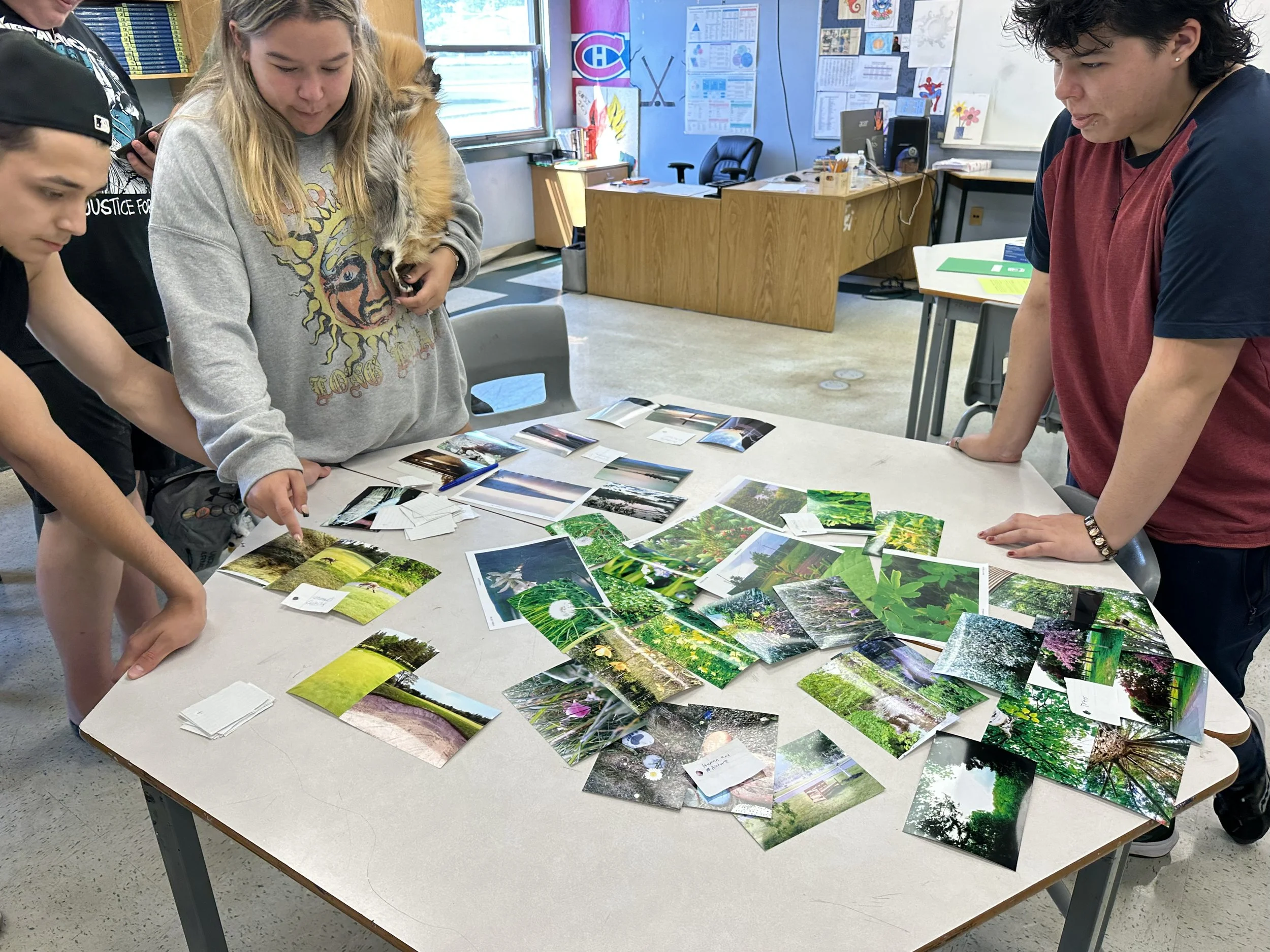
10 Indigenous youth from the Atlantic Bridge Mi’kmaq Health Services were invited to participate in this photovoice project, where they took photographs to document meaningful experiences in their daily lives, in order to co-develop the project, explore themes related to nature and wellbeing, and help identify recommendations for a youth-led action plan. Participants attended a training workshop covering the purpose of the study, ethical photography practices, consent procedures, and camera use. They then participated in group discussions to identify themes and ideas for photographs connected to nature, wellness, and mental health.
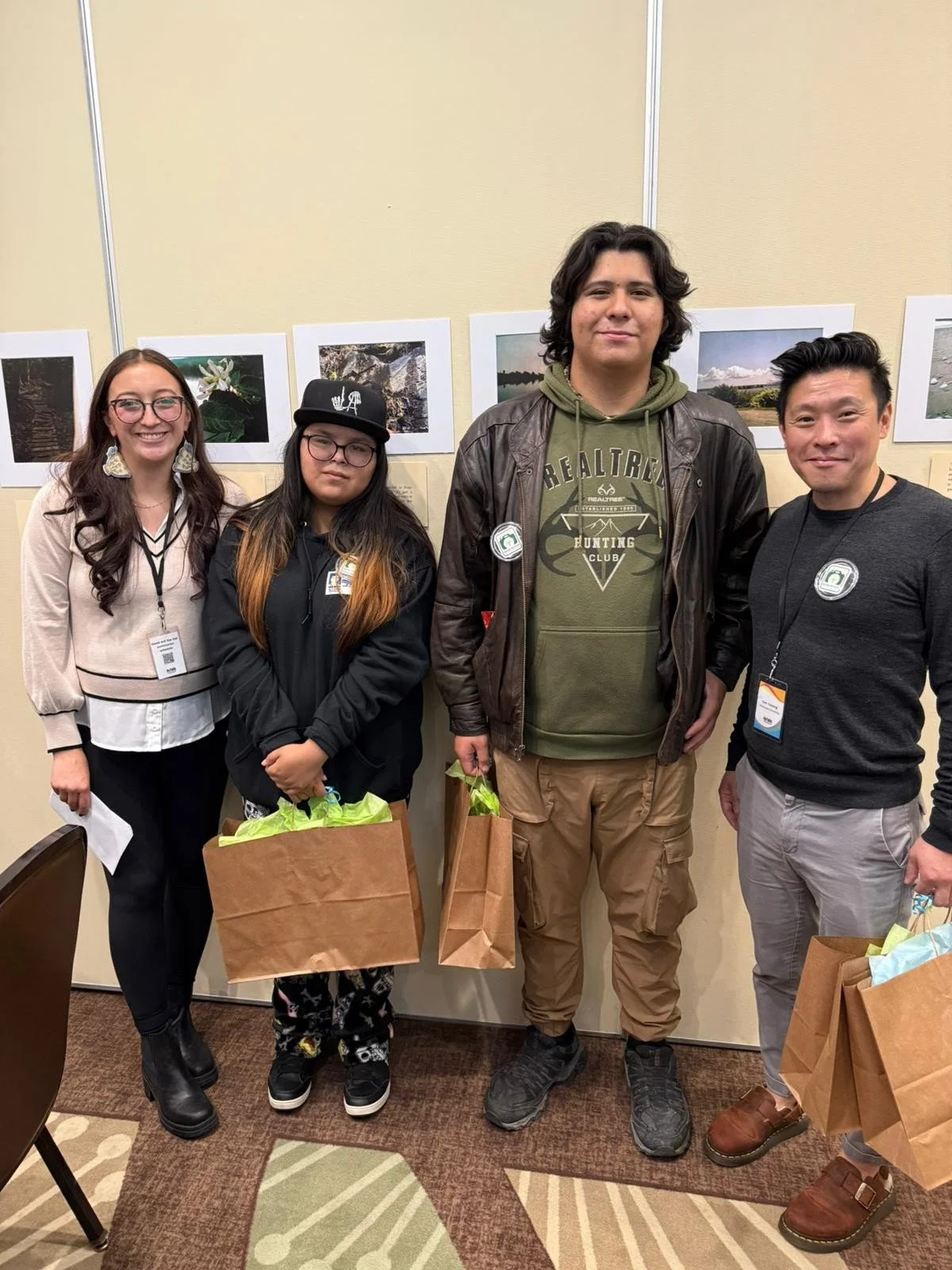
After taking and uploading photographs, participants took part in collaborative analysis sessions to discuss the meaning of the images and identify common themes. They were then invited to help plan ways to share their photographs and stories with policymakers, community leaders, and the public through knowledge-sharing activities such as photo exhibitions.
Findings
The following findings were made from the full study:
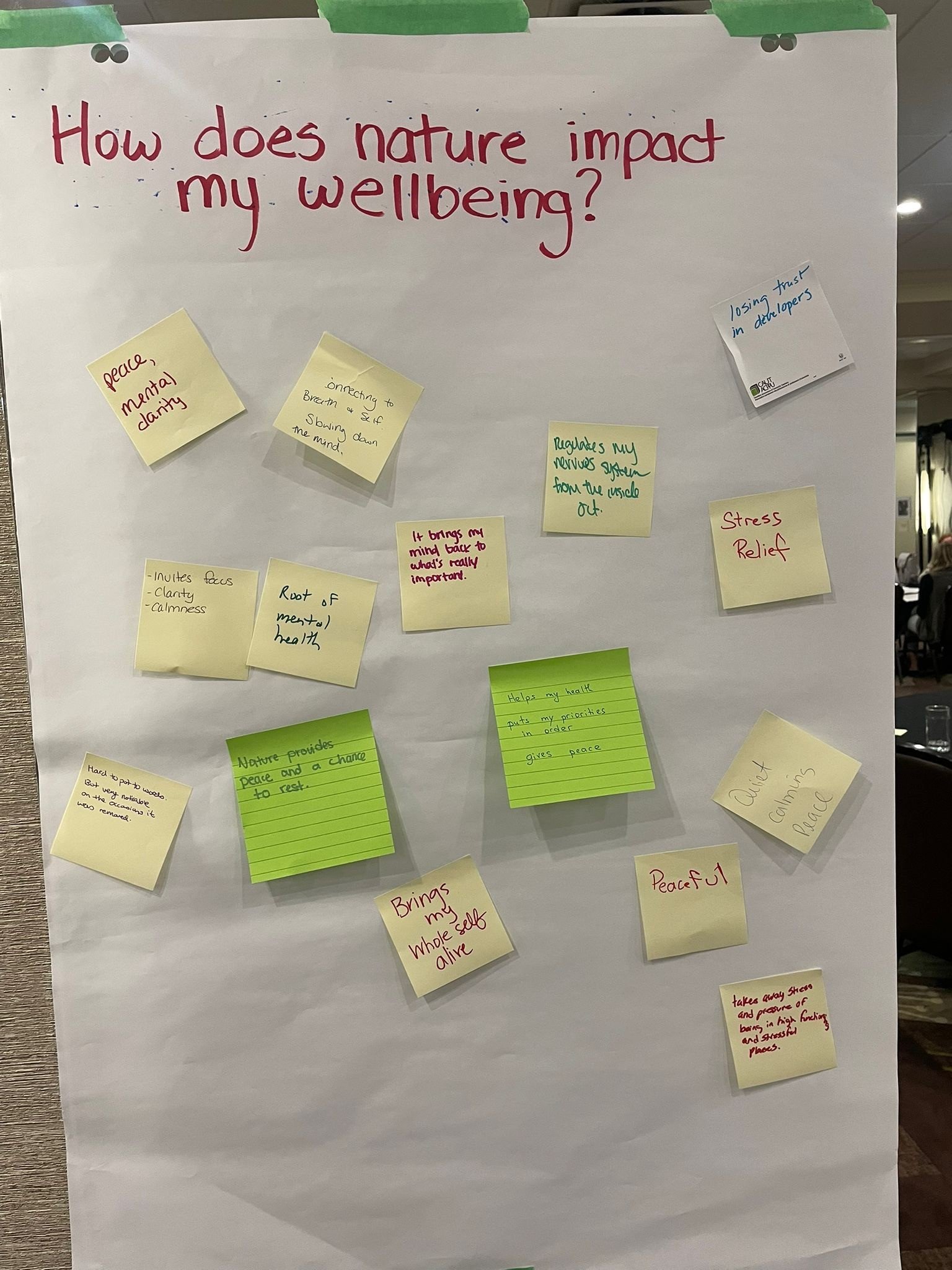
The preliminary research found that nature and wellbeing were important to ABMHS Students
Indigenous youth who participated in the study believed that there was an increased need for access to nature through community trails and programs that promoted connection with nature.
There was more interest in creating and hosting activities related to Mi’kmaq culture and cultural revitalization.
Project Outreach
This project is intended to have province-wide applicability across Nova Scotia.
Resources Created
Presentation at the Recreation Nova Scotia Conference in October 2025
A thesis is currently in development.