Reports and findings
Mental health is shaped by a wide range of experiences, environments and pressures. Understanding how those factors are changing requires evidence that is current, relevant and grounded in the experiences of people in Canada.
We conduct and support research to better understand the state of mental health across the country, identify emerging challenges and explore the factors that influence how people cope, seek support and experience care. Our work ranges from ongoing national population polling to focused quantitative and qualitative research examining specific issues, populations and areas where deeper understanding is needed.
This collection brings together our reports, research briefs and findings, including work developed with research, community and sector partners. Together, they provide a growing picture of mental health in Canada, from broad national trends to more focused insights on access to care, workplace and youth mental health, emerging technologies, substance use, belonging and the experiences of communities whose needs may not always be visible in national averages.
Explore the latest findings below, or use the filters to find research by topic.

A System Falling Short: Men’s Experiences with Mental Health and Substance Use Services in Canada
Our national polling estimates that 1.3 million men over 16 have unmet mental health support needs. We partnered with Movember and CAMH to bring MHRC evidence together with complementary research to examine where men are being missed and what happens when they reach care.

Economic pressures, social connections and care
Our latest data show how economic pressures, social connections, personal stories and experiences of care intersect with mental health in Canada, with marked differences among some people with higher needs.

From Experience to Evidence
For many participants, alcohol or cannabis use that began socially became increasingly tied to stress, sleep, anxiety or other pressures. Their experiences reveal how perceived risk, stigma and gaps in support can shape substance use, and what more responsive policies and services could look like.

Behind the Care: The Mental Health Impact of Supporting Others
Caregivers provide essential support to people in Canada, but caregiving can bring significant pressures of its own. Our research finds that both paid and unpaid caregivers are more likely than non-caregivers to experience symptoms of anxiety and depression and to report hazardous or harmful alcohol and cannabis use.

When Mental Health Support Ends Too Soon
People in Canada continue to face uncertainty about when to seek mental health support and how to navigate care. The findings point to persistent stigma, barriers to access and a troubling pattern of people ending care earlier than planned or needed.

Mental Health Pulse Check 2025
Our review of mental health in Canada brings together findings on workplace well-being, youth and gambling-related harms. Developed with GreenShield, the report connects these insights to policy developments and identifies priorities for strengthening support, improving outcomes and guiding action in 2026.

When Support Feels Out of Reach
Half of people in Canada say they actively support their mental health, yet stigma and access barriers continue to limit care. Those least comfortable discussing mental health report higher anxiety and depression, while men face elevated risks but remain less likely to seek support.

Is it Helping?: Satisfaction with Mental Health and Substance Use Services
Satisfaction with Mental Health and Substance Use Services
The Strain of Staying Connected
Economic strain, heavy personal screen use and gaps in access to primary care are affecting mental health across Canada. At the same time, people with stronger community connections report a greater sense of belonging and better mental health outcomes.
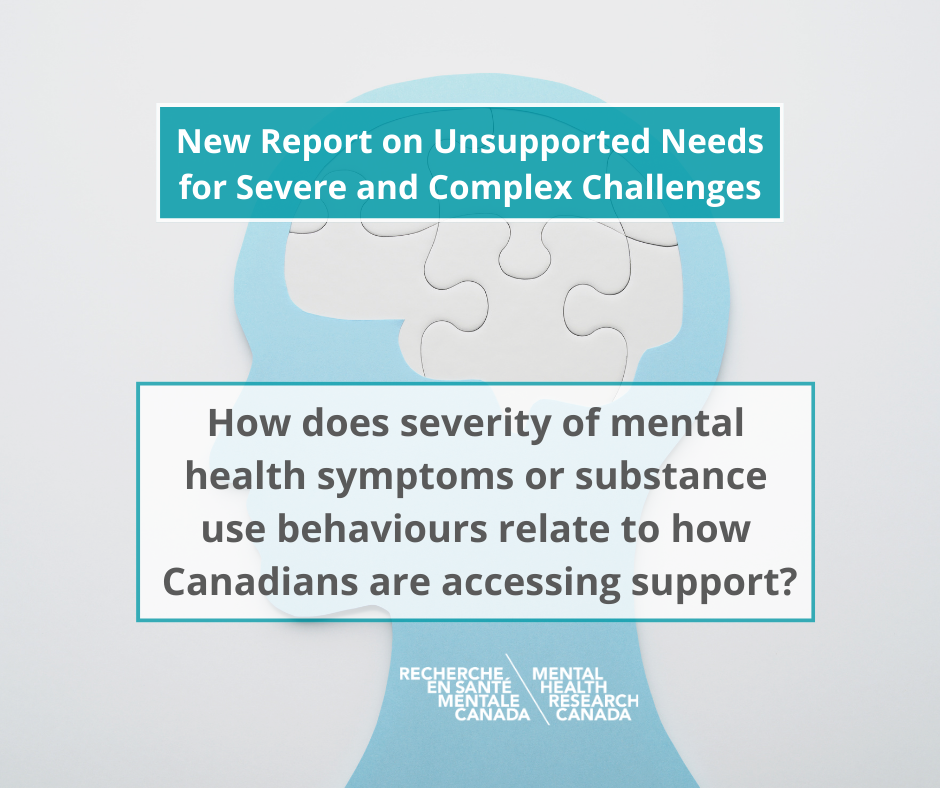
Access to Mental Health and Substance Use Services by Canadians with Severe and Complex Challenges
It all begins with an idea.