Belonging on Their Own Terms: Youth-Led Understandings of Identity and Mental Wellness for Indigenous Youth in Care
Too many Indigenous young people move through foster care, adoption, and cross-cultural family systems without ever being asked who they are. This project starts there. In partnership with Tasiutigiit, an organization supporting over 160 Indigenous children and youth in care, this research works directly alongside youth to explore what belonging, identity, and mental wellness mean to them, in their own words and on their own terms.
Youth are invited in as co-creators through storytelling, mapping, creative writing, photography, and other activities chosen by youth themselves. One of the core insights guiding this work is that the act of constructing a story can surface knowledge and interest that was already there, waiting for a form. The toolkit being co-created with youth is built around that idea: young people mapping their own stories, their relationships, and their sense of belonging so that the story belongs to them.
We will develop a toolkit along with an academic publication to share valuable insights with caregivers, social workers, and mental health professionals. The researcher, who has personal experience growing up in foster care, understands the harmful effects of institutionalization. This background is not just a detail; it is a significant motivation driving this research.
This project is co-funded in partnership with Mitacs and Empire Life.
-
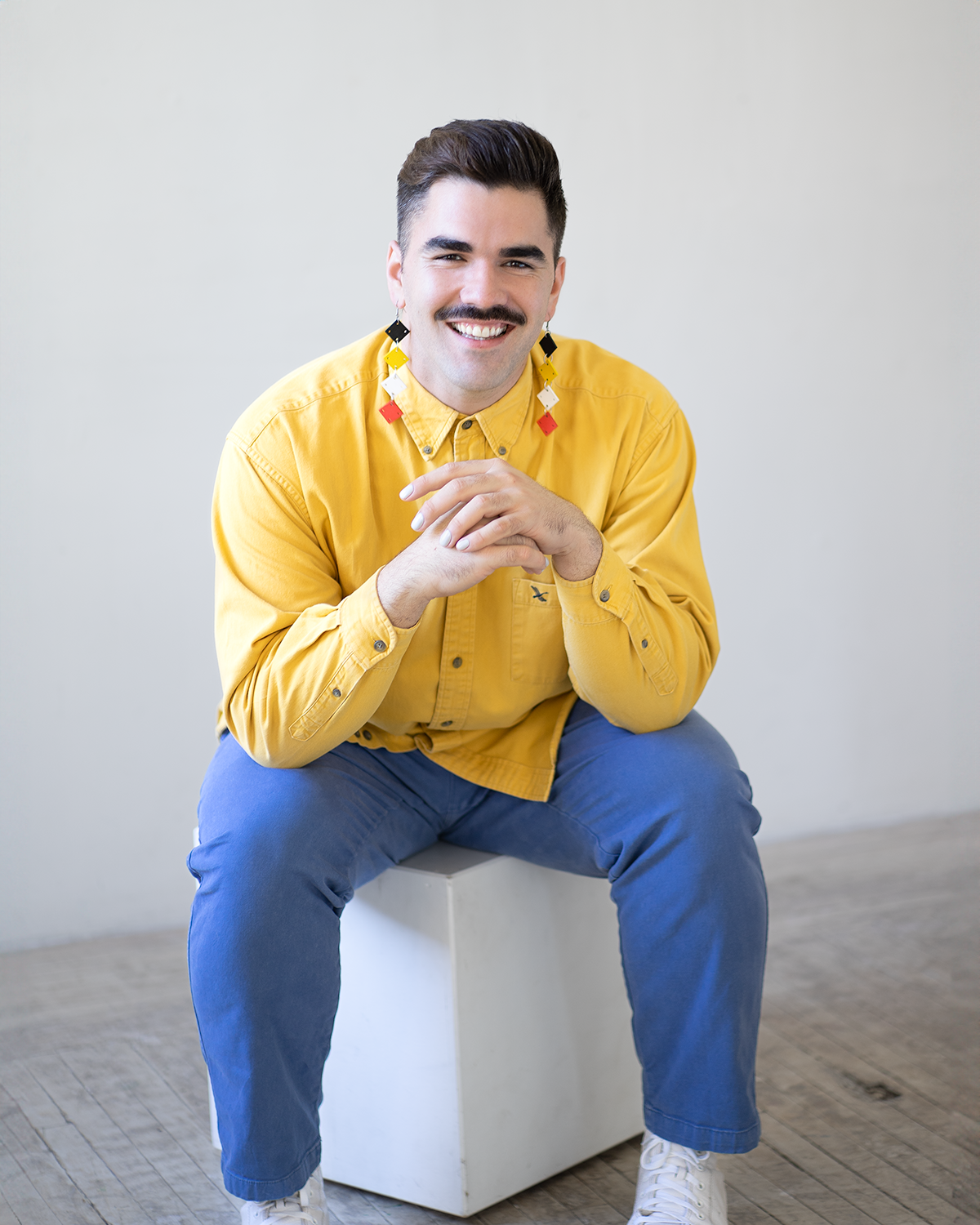
Raymond Jordan Johnson-Brown (they/he) is a Two-Spirit, Ethnic Anomaly, and multi-hyphenate creative whose work spans social work, systems change, and cultural practice. Over 15 years, they have moved across frontline care, research, and efforts to shift how systems actually function across health, education, child welfare, and food systems, bringing both relational depth and structural analysis to every context. Raymond has led and supported transformational work with organizations such as Right to Food Canada, the Canadian Mental Health Association, and the Wildlife Conservation Society of Canada, among others. Currently, Raymond is a Research Coordinator at McGill University, where they focus on community-based research for marginalized groups in care settings. They also work as an Equity Integration Specialist at CAMH and are completing a joint Master’s degree in Social Work and Law at McGill University.