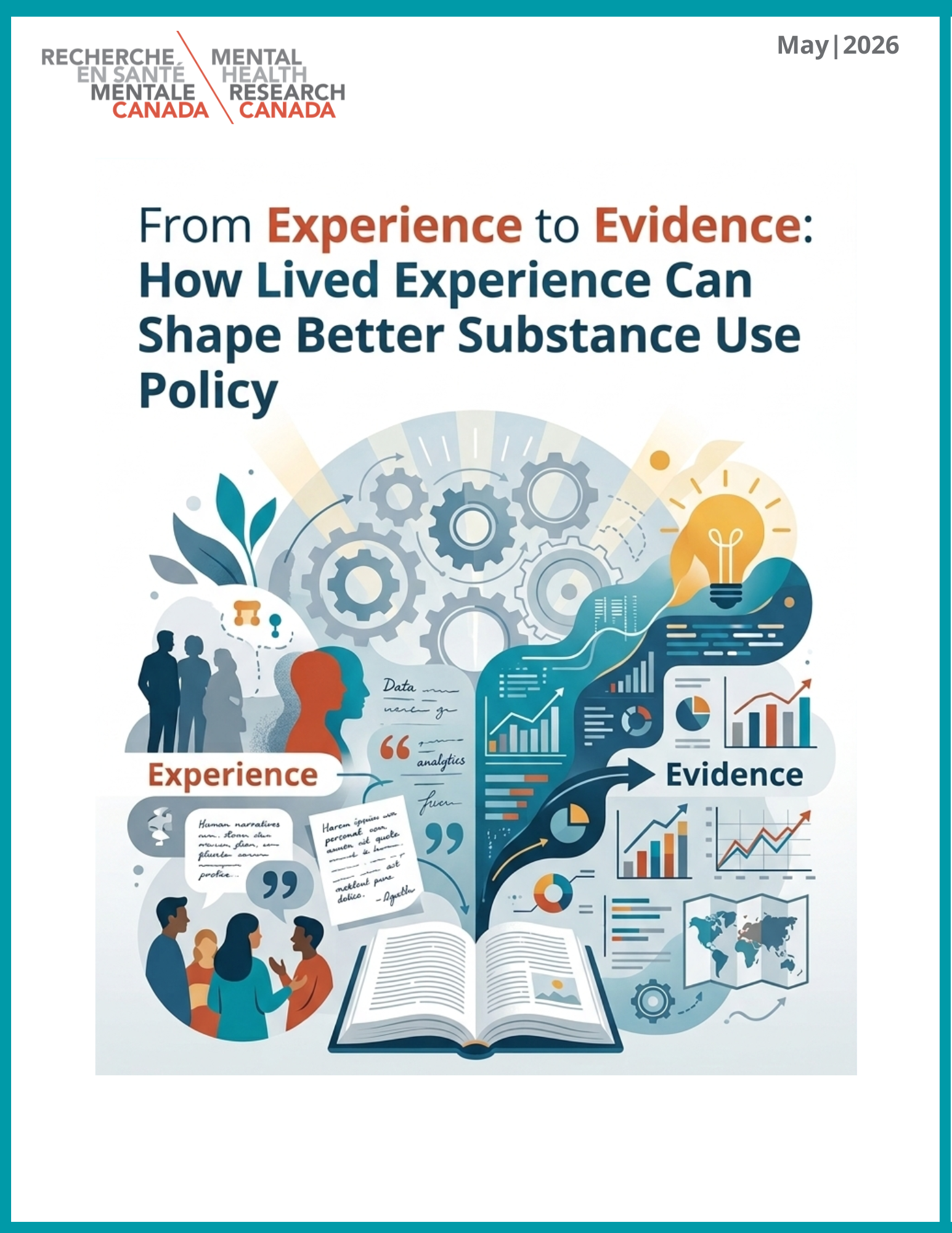
From Experience to Evidence:
How Lived Experience can Shape Better Substance Use Policy
Key Findings
Many Canadians Use Substances: 3 in 4 respondents reported using alcohol, and 1 in 4 reported using cannabis.
Starting Young and Social: For most, using alcohol or cannabis began in their teens. It was usually introduced by family or friends and was seen as a "normal" way to have fun or socialize.
The "It’s Not Me" Gap: Many people could see the dangers of substance use for other people, but didn't think those same risks applied to them.
The Weight of Judgment: People still feel judged for using cannabis, though this has slowly improved since it became legal. This fear of being judged often dictates who they talk to and whether they feel safe being honest about their habits.
Why This Matters
Early experiences, social norms, and stigma shape substance use in Canada. Understanding these patterns helps us create safer environments, support young people, and make honest conversations about health easier for everyone.
When support systems and policies reflect people’s lived experiences, they become more effective, more compassionate, and more likely to make a lasting difference. The evidence is here; now we need the policies and programs that match what people are telling us.
Substance use is common in Canada, and is shaped by early experiences, social norms, and stigma.
Insights gathered from real stories of lived experience show us what better support could look like, and how policies can shape future care experiences.
Based on in-depth conversations with 30 Canadian adults, this report looks beyond the numbers to understand the real lives of people who face challenges with alcohol or cannabis use. This study explores how their habits started and changed, what keeps them using, and how it affects their mental health and daily routines.
About this Report
This study draws on 30 in-depth qualitative interviews with Canadian residents conducted between September and November 2025. Participants were identified through a prior national survey conducted by Mental Health Research Canada (MHRC) and selected if they scored 15 or more in the Alcohol Use Disorders Identification Test (AUDIT) and 12 or more in the Cannabis Use Disorder Identification Test (CUDIT) scales.
No quotations have been attributed to individuals in ways that could enable identification.