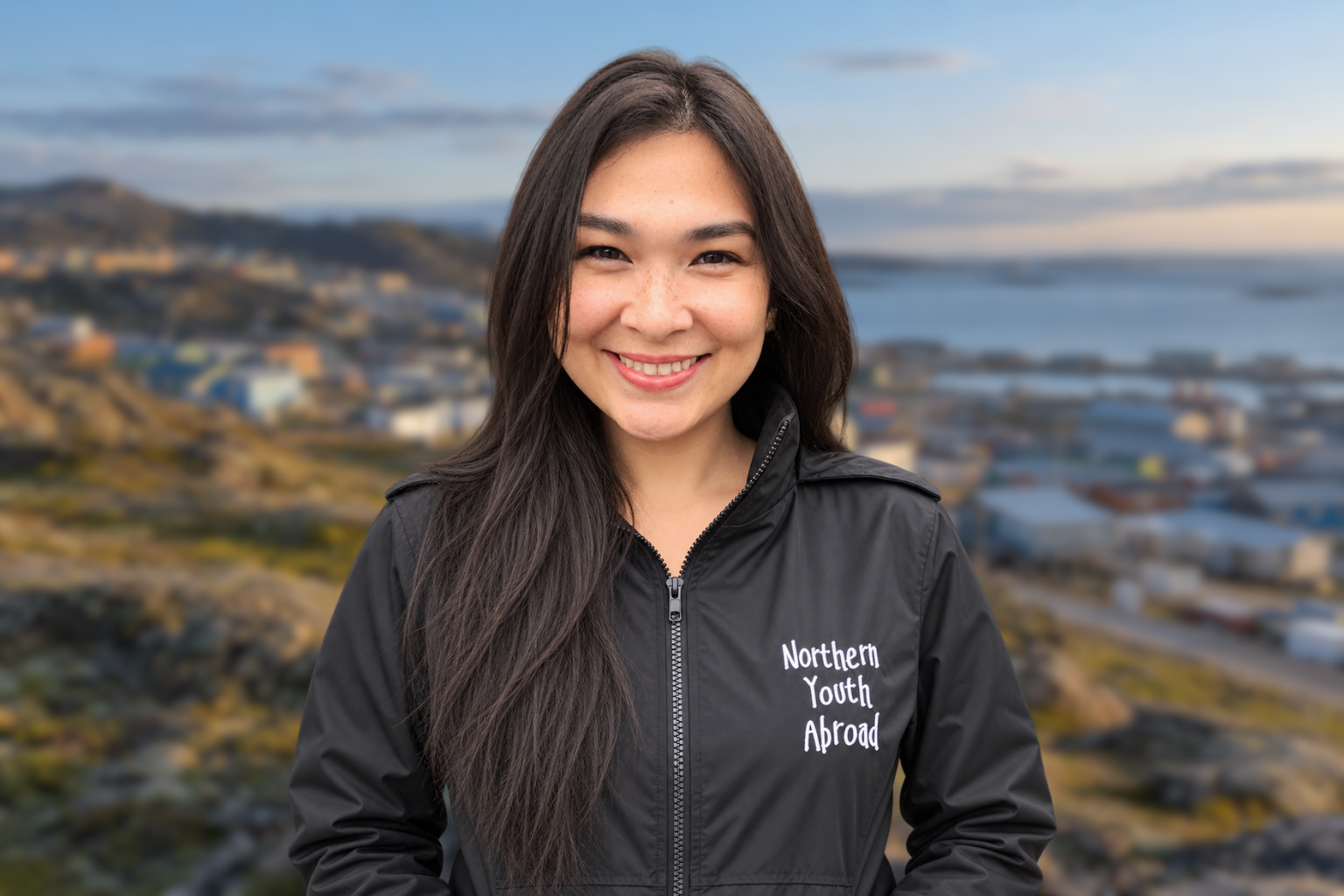
Karen Aglukark
Forms and qualities of social support: Understanding the role of relationships among Inuit healing from trauma
This project worked with Aqqiumavvik Society to identify safe and respectful ways to conduct research on healing and trauma in Arviat. It explored Inuit understandings of healing and trauma, and how relationships, culture and community support can strengthen healing within the community.
Methodology
The project followed the Aajiiqatigiingniq Research Methodology, which emphasizes careful community engagement and collaborative research design. The researcher worked closely with community partners and gathered information through individual and group interviews with 24 participants based in Arviat. Data analysis was conducted collaboratively to ensure community perspectives were reflected throughout the study.
Data collection was supported by local translation and in-person interpretation.
Findings
Participants explained that understandings of trauma are contextual and were shaped by the Inuktitut language and Inuit perspectives rather than being viewed through ideas of deficit or pathology.
Healing was described as a deeply individual process that involved understanding how past experiences shape thoughts and behaviours, while building skills to manage future challenges.
Participants identified relationships as a key part of healing, especially when support is grounded in shared experiences, cultural understanding, flexibility and unconditional acceptance.
Community members emphasized that healing spaces should allow opportunities for learning, growth and connection.
The study found that healing could be limited when formal systems and structural approaches do not reflect Inuit perspectives on wellness, relationships and holistic healing.
Impact
This project developed community-informed knowledge on safe and culturally respectful approaches to mental health research and practice for the Inuit community in Arviat.
A key outcome of the project is strengthened guidance for mental health practitioners and community-facing professionals working in Nunavut. The findings highlighted Inuit understandings of healing as relational, culturally grounded and shaped by lived experience, offering practical insight for more appropriate and responsive mental health support.
At the territorial level, the work can contribute to advancing mental health by informing practitioners, service providers and policy-related working groups, supporting stronger community capacity and more culturally aligned approaches to Inuit well-being across communities in the territory.
Project scaling
No plans have been made to expand the work beyond Nunavut. The purpose of the project was to ensure thorough community-level impact.
Resources created
A final report co-designed with all participants is currently in development for dissemination to community service providers throughout Nunavut.
Indigenous Communities
“Awards such as these reinforce the value of community-led research and program design. Receiving this award gave me space to focus on thoughtful and thorough engagement with participants and their stories, to better understand what is expected of me when supporting other Inuit’s mental and emotional wellbeing. Personally, I have been applying the guidance offered by partners and participants in my personal and professional life and have noticed an improved capacity to balance caring for others and myself. This project has inspired me to focus my strengths and career on empowering Inuit, restoring our culture and advancing the community’s knowledge and existing work.”
Karen Aglukark