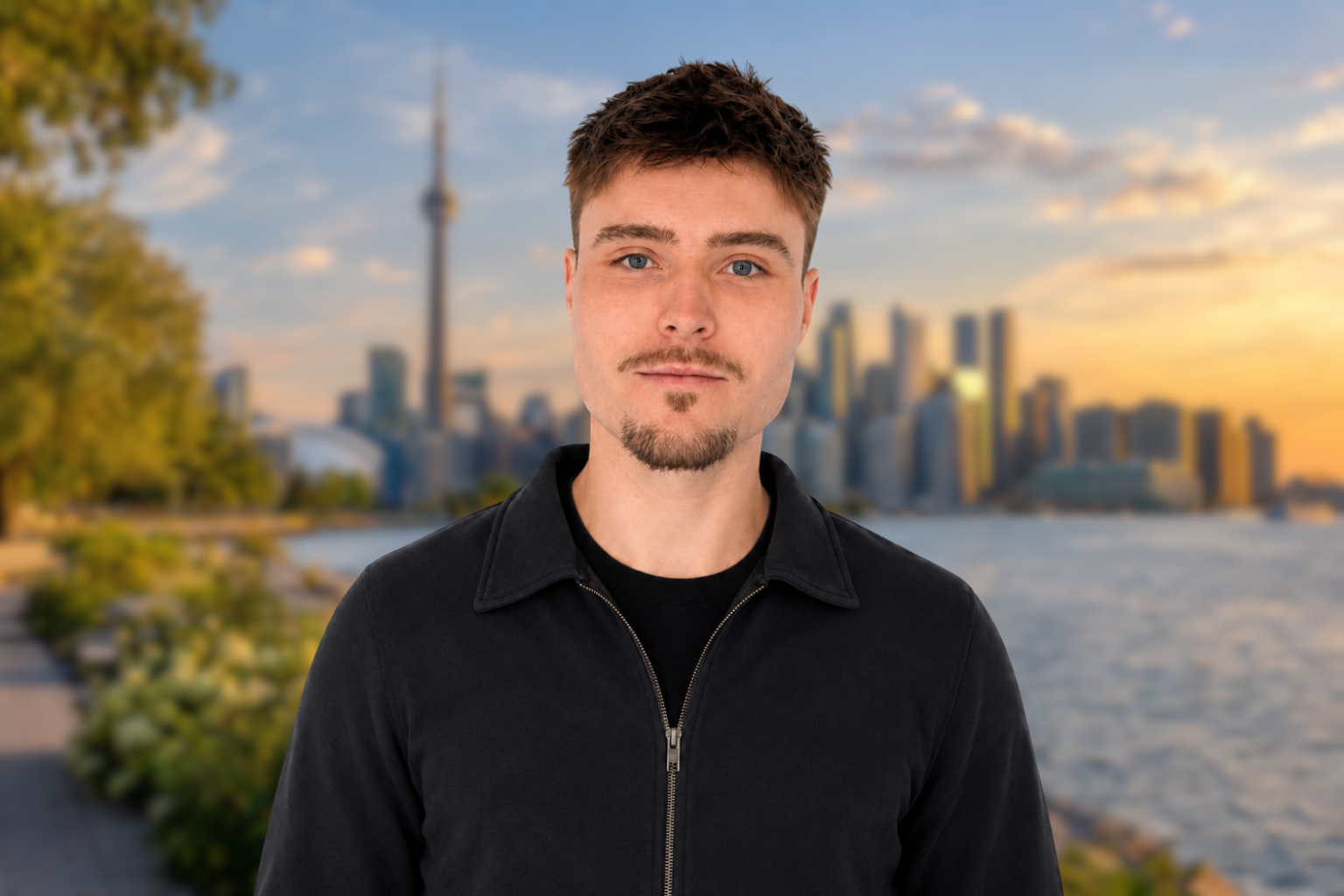
Sianna Williamson
Exploring the employment experiences of Inuit receiving employability services at Ivirtivik
Inuit have historically and presently faced unequal access to employment. This project grew from a collaborative relationship between Ivirtivik, an employment centre serving Inuit in Tiohtià:ke (Montréal), and researchers at the Douglas Research Centre. It explored the employment experiences of Inuit receiving services at Ivirtivik and aimed to identify cultural, social and systemic factors that help or hinder employment.
The project was also an early step toward a longer-term goal shared by Ivirtivik and the research team: co-designing culturally sensitive tools that support Inuit who want to work in Tiohtià:ke. The collaboration was intended to strengthen connections between research and community knowledge while contributing to research decolonization and reconciliation.
Methodology
Ivirtivik supports Inuit in connecting to community through activities that bring together individual values, talents and preferences. The research used a qualitative, community-informed approach grounded in Inuit knowledge and values, with focus groups conducted with 13 participants. Principles of collaboration, inclusion and consensus-building guided the process, combining research expertise with community knowledge and Inuit ways of knowing.
Findings
The project identified several preliminary findings:
Employment barriers go beyond language differences.
Differences in social norms between Inuit and Western systems make job-seeking more complex.
Navigating these differences can create stress and affect mental health.
Further analysis and knowledge-sharing activities were planned beyond the funded project period.
Impact
This project supports better mental health for Inuit individuals by identifying barriers and supports related to employment in Montréal.
It highlights how cultural and social differences in hiring processes can create stress and challenges, and emphasizes the need for culturally safe workplaces.
The findings can help build stronger connections between Inuit communities and non-Indigenous employers, contributing to more inclusive and supportive work environments.
Project outreach
The project engaged 16 community members, including participants and contributors, with approximately 15 hours of direct engagement. Planned outreach included a community event to share results, as well as future presentations and collaborative knowledge-sharing activities.
Resources created
At the time of the original profile, no formal resources had yet been created.
Planned outputs included community presentations, co-developed tools and a collaborative publication.
About the researcher
Sianna Williamson is a member of the Shuswap Nation in British Columbia who studied psychology at McGill University alongside Indigenous Studies. A recipient of McGill’s Provost’s Indigenous Achievement Award, she has conducted research on bipolar disorder, cognition and self-stigma through the IMPRESS Indigenous Undergraduate Research Program and continued research with the CRISP Lab at the Douglas Research Centre.
Her research interests include Indigenous well-being, decolonizing psychological research and advancing culturally informed approaches to mental health.