
Supporting impactful community research
Our grants and research awards are designed to seed-fund research projects led by experienced academic researchers and community researchers/service providers collaborating to address gaps in community mental health and addressing community needs, while integrating the insights of people with lived experience into each stage of their project.

Haley Bonnell
Peer supporters bring lived experience into mental health and addiction services, but integration into multidisciplinary systems can also create new workplace pressures. Haley Bonnell’s research with Lifewise is examining how work context shapes peer supporters’ mental health, well-being and experience of their roles.

Sam Hawkins
Online gambling can be accessed from almost anywhere, including during the workday. Sam Hawkins is using mobile sensing in a longitudinal study to examine how gambling during work hours relates to job performance and mental health, including depression, anxiety, stress and work engagement.

Maureen Plante
Restorative justice may offer survivors of sexual violence another way to pursue accountability and healing, but programs need to reflect Indigenous perspectives and community needs. Maureen Plante’s project builds on earlier community-engaged work to bring Indigenous-specific input into guidance for developing restorative justice programs in Alberta.
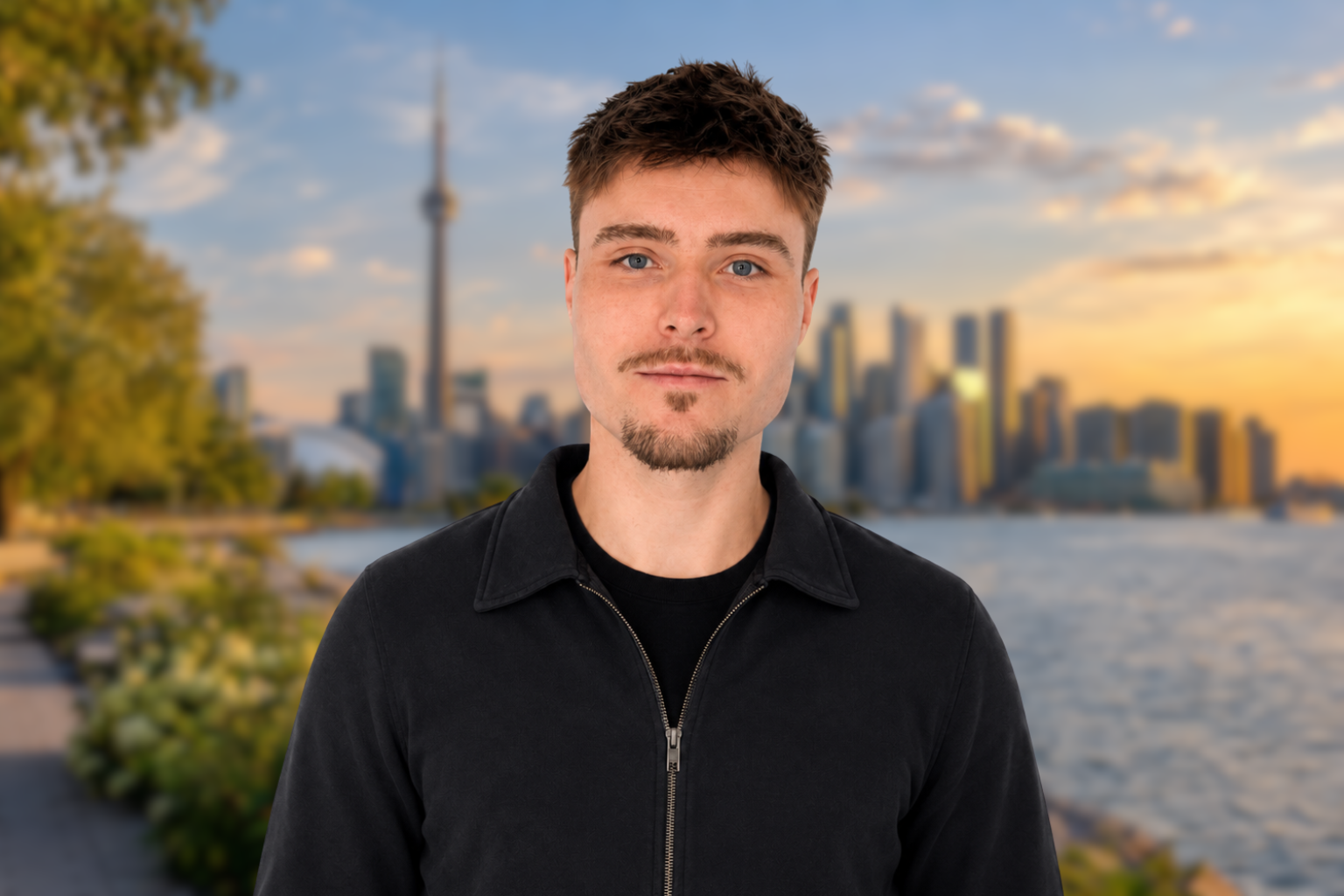
Nate Taylor
Sport officials work under constant evaluation, public scrutiny and frequent verbal abuse, yet many sport organizations have limited capacity to provide ongoing mental health support. Nate Taylor is examining what would make digital and AI-supported tools credible, confidential and useful to Canadian officials.

Maryam Shahzad
Burnout can look different from one workplace to another. Maryam Shahzad is using national mental health data to examine how burnout varies across Canadian employment sectors, what contributes to it and how it affects people’s ability to work, with the goal of informing strategies that can apply across occupations.

Raymond Jordan Johnson-Brown
For Indigenous youth in care, identity and belonging should be understood in their own words, not defined only by the systems around them. Raymond Jordan Johnson-Brown is working with youth and Tasiutigiit to explore how storytelling, creative activities and youth-directed research can support conversations about mental wellness and a stronger sense of belonging.

Madison Young
Mental health screening during pregnancy and after birth can help identify when support is needed, but the tools and practices used must reflect the people receiving care. Madison Young is examining how perinatal mental health screening can better incorporate First Nations mothers’ cultural, social and health-care contexts to support more culturally safe care.

Jersee Hill
Violence-prevention programs need to reflect the experiences and needs of the women they are designed to support. Jersee Hill’s research will gather professional and lived perspectives from Indigenous women to help strengthen Connections, a program for women with young children who have experienced violence in relationships.

Dante Carter
Economic abuse can limit a person’s independence, safety and well-being, particularly when access to housing, employment and financial resources is already constrained. Cree researcher Dante Carter is examining how colonial economic structures intersect with experiences of economic abuse in Onion Lake Cree Nation, and how Cree perspectives and community-led approaches may inform healing and economic well-being.

Jill Williams
For Inuit women in Nunatsiavut, sewing can be a place to share knowledge, build relationships and begin conversations that may otherwise be difficult. Jill Williams is exploring how sewing circles and gatherings on Inuit homelands can support connection and collective well-being, with community knowledge and Inuit ways of knowing guiding the work.