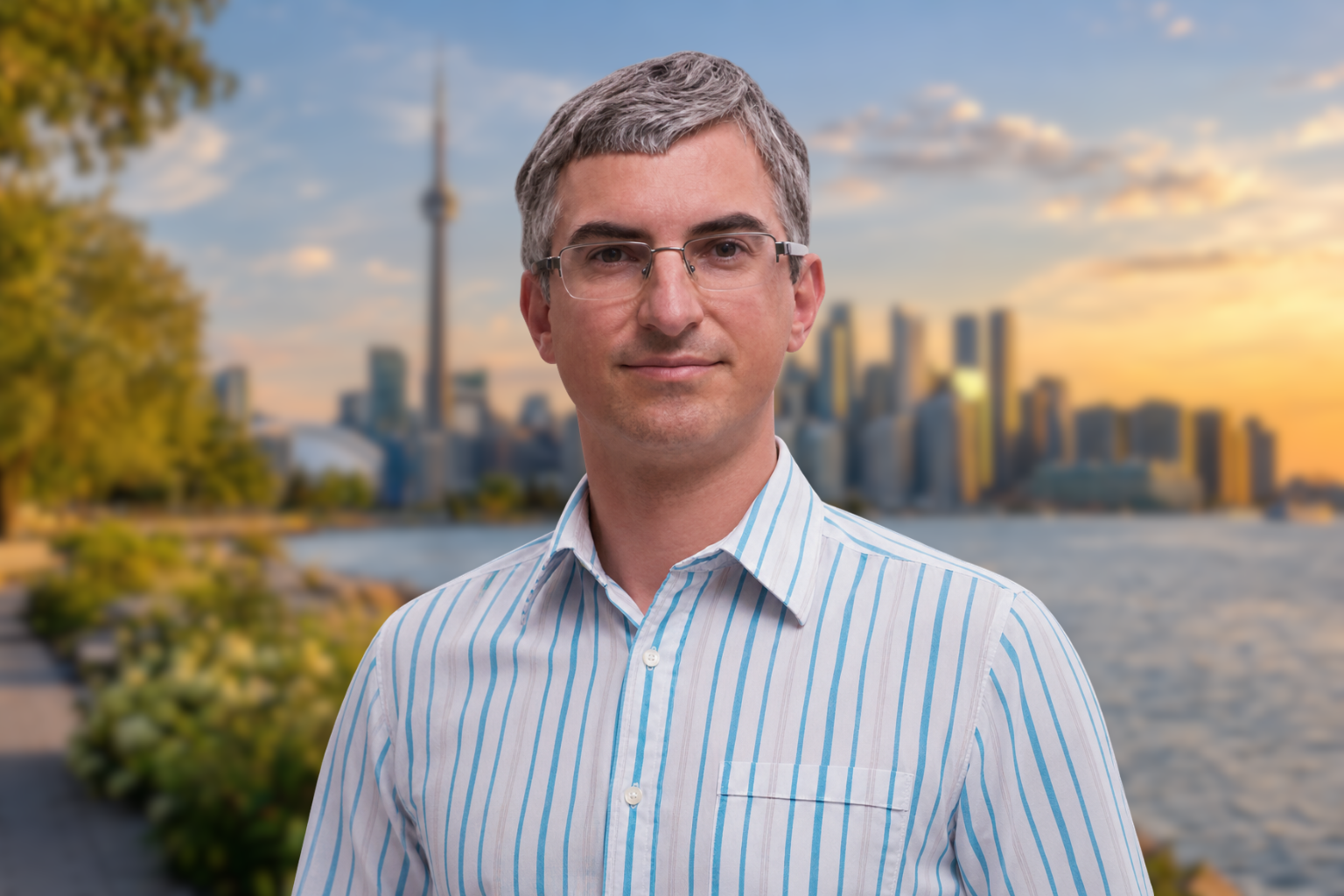
Laurence Sonier
Exploration of the role of organizational and personal factors in the mental health of Edmundston firefighters
Firefighters regularly respond to medical emergencies, accidents, technical rescues and fires, exposing them to repeated high-stress situations. Members of the Edmundston Fire Department identified post-traumatic stress disorder (PTSD) as a significant concern, alongside symptoms such as anxiety and depression and broader risks such as burnout. This qualitative study explored how personal and organizational factors influence firefighter mental health and the use of mental health resources, with particular attention to stigma, workplace culture and interpersonal relationships.
Through interviews with eight firefighters, the project sought to identify practical organizational and personal levers that could promote psychological health, reduce barriers to care and strengthen the use of mental health supports. The findings will inform recommendations for healthier organizational environments and improved access to mental health resources for firefighters.
Methodology
Interviews were conducted with eight firefighters to better understand the factors influencing their mental health and their use of mental health resources. The interviews were transcribed and analyzed to identify key themes and formulate recommendations.
Findings
Open discussions about mental health, supported by positive peer relationships and favourable social attitudes, encourage the use of mental health resources.
A supportive organizational culture plays an important role in improving perceptions of mental health and reducing barriers to seeking help.
Interviews with eight firefighters identified practical opportunities to promote psychological well-being and strengthen workplace support.
The findings contribute to a broader provincial study examining firefighter mental health across multiple fire departments in New Brunswick.
Impact
This study advanced understanding of the organizational and personal factors that influence mental health resource use among firefighters.
The findings underscore the importance of fostering open communication, supportive workplace relationships and positive attitudes toward mental health to reduce stigma and encourage help-seeking.
Recommendations from the study will support the development of healthier organizational cultures and improved access to mental health resources, with the potential to strengthen psychological well-being among firefighters.
The project also contributes to a larger provincial initiative aimed at improving firefighter mental health across New Brunswick.
Project scaling
No plans have been made to expand the work beyond New Brunswick. The project was designed to support meaningful community-level impact for the firefighting community.
Resources created
A diagnostic report integrating the qualitative and quantitative findings is being finalized and will be presented to the partner organization to guide future mental health initiatives.
A scientific manuscript is currently being prepared for submission to a peer-reviewed journal.
The findings will contribute to a broader provincial research project involving multiple fire departments across New Brunswick.
About the researcher
At the time of the project, Laurence Sonier was a second-year master’s candidate in psychology research at the Université de Moncton. Her research experience included cognition as well as management practices, individuals and organizations, with particular interests in work-life balance and the mental health of first responders. Through her internship, Laurence sought to deepen understanding of the factors affecting firefighter mental health while contributing practical tools or interventions that could support the health and well-being of firefighters in her community.
“This research internship enabled me not only to explore personal and organizational factors—and their impact on firefighters' resource utilization and mental health—but also to develop expertise in conducting a qualitative study, specifically by carrying out interviews and transcriptions, coordinating a research team to perform thematic analysis, and writing a research report. Furthermore, the internship provided an opportunity to collaborate with a partner organization: the fire department.”
Laurence Sonier