Peter Gilhuly
Sacred Synergy
Sacred Synergy was a six-month project supporting Takla Nation in its journey toward wellness from addiction and intergenerational trauma. It explored how traditional Indigenous healing ceremonies, land-based activities and entheogen-assisted approaches could fit within recovery programs across different stages of recovery and social reintegration. The work was closely connected to Takla Nation’s Addictions Recovery Circle (ARC).
The objective was to enable Takla Nation to assess local recovery supports and determine how an Indigenous-focused, culturally fitting recovery program could be adapted to community priorities. The project addressed a gap in research by centring Indigenous healing practices and community leadership in decisions about trauma, addiction and recovery.
Methodology
This project used a community-driven, relationship-based approach grounded in Etuaptmumk (Two-Eyed Seeing), bringing together Indigenous and Western ways of knowing. Guided by trust, collaboration and responsiveness to community needs, the research used a Participatory Action Research (PAR) approach in which participants actively helped shape the project.
Between seven and 11 participants from the Takla Nation’s Addictions Recovery Circle (ARC) took part in three extended group discussions and individual conversations, contributing approximately 15 hours of dialogue grounded in lived experience. Through sharing circles, conversations and storytelling, participants discussed experiences of trauma, addiction, healing and recovery.
The methodology identified common themes related to intergenerational trauma, pathways into addiction, recovery experiences, gaps in support systems and culturally grounded healing approaches, including land-based practices, ceremony and entheogen-assisted healing.
Findings
The project identified the importance of relational and community-based approaches to addiction recovery and mental wellness within Takla Nation. Participants described gaps between existing recovery supports, which can contribute to isolation and challenges in maintaining long-term wellness.
Cultural practices were consistently identified as central to healing and recovery. Participants emphasized the importance of land-based healing, ceremony and connection to culture and ancestors as grounding and restorative supports for addressing trauma and addiction.
Sharing circles and one-on-one conversations created opportunities for open discussion about addiction and mental health, helping reduce stigma and strengthen feelings of understanding, connection and collective support within the group.
The project identified community interest in exploring additional healing approaches, including entheogen-assisted therapies, when delivered in safe, culturally grounded and community-led ways. Participants emphasized the importance of Indigenous leadership, cultural knowledge and appropriate safeguards in these approaches.
The project also identified key themes around community strengths, gaps in recovery supports and culturally grounded healing approaches. This work contributed to early planning for a more connected, community-led recovery model and continues to support dialogue within the Addictions Recovery Circle (ARC).
Overall, the findings highlighted the importance of culturally grounded, flexible and relationship-based mental health approaches that integrate Indigenous knowledge systems alongside Western models of care.
Impact
The Sacred Synergy project created a safe, community-led space for dialogue around trauma, recovery and wellness within Takla Nation.
The dialogues helped identify gaps and disconnections within existing recovery supports, reduced stigma through shared experiences and strengthened conversations around culturally grounded healing approaches, including land-based healing, ceremony and entheogen-assisted therapies within the community. The project also documented community voices and helped lay the groundwork for a more connected, culturally grounded recovery approach guided by Takla Nation’s values and priorities.
Project outreach
There are currently no formal plans to expand the Sacred Synergy project beyond Takla Nation; however, early steps have been taken to support future collaboration and knowledge sharing.
Sharing the Sacred Synergy project created opportunities to connect Takla Nation’s work with broader national discussions on Indigenous-led healing and emerging therapeutic approaches, while also opening possibilities for future collaboration and partnerships. Any future expansion will continue to be guided by community leadership, readiness and consent to ensure the work remains community-led and culturally grounded.
Resources created
The Sacred Synergy project created several community-based and knowledge-sharing resources, including recorded sharing circles, conversations and transcriptions documenting lived experiences related to trauma, recovery and wellness.
The project was presented at the LIVE-PATH Gathering at the University of Calgary.
No formal publications or tools have been released at this stage, as the primary outcomes are community knowledge, relationships and ongoing healing discussions.
About the researcher
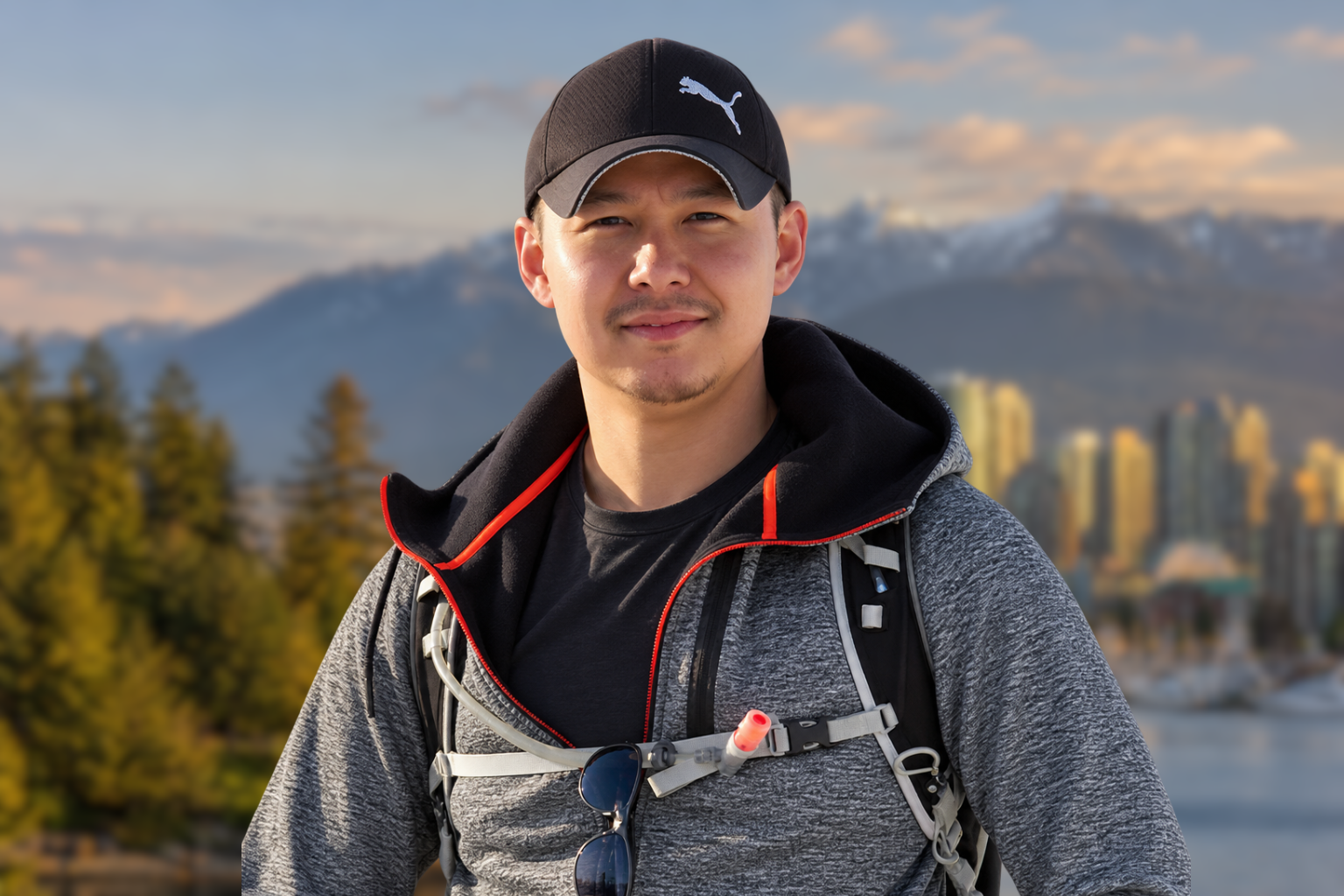
Peter Aningmiuq Gilhuly is a Nunavut Agreement Beneficiary who, at the time of the project, was a first-year Bachelor of Arts in Psychology student at Vancouver Island University. A mature student and Red Seal carpenter, Peter brings lived experience as an Indigenous tradesperson and personal experience with recovery to his work. Having worked across Canada, including in the High Arctic, Peter’s experiences shaped a deep commitment to mental health and addictions recovery. He aims to become certified to support other Indigenous men on their healing journeys, with community voices and cultural relevance at the centre of future mental health care.
“Coming from my own lived experience in recovery, this project wasn’t just research for me. It connected directly to my long-term vision of creating spaces where people can heal in a way that feels real, supported, and culturally grounded. Being able to sit with community members, listen to their stories, and understand what’s actually needed helped deepen that vision in a meaningful way. As an Indigenous person, this work also continues to shape my own path of reconnecting and learning. It reminded me that I don’t carry all the answers, but I do carry responsibility to listen, to build relationships, and to help create space where people can reconnect to their own healing, culture, and identity.”
Peter Gilhuly